Everyday, Again

Everyday, Again

Every morning, my alarm rings at 5:45 a.m.
Monday to Friday. Without negotiation.

And just like that, the day begins.

A familiar sequence unfolds — the walk, the newspaper, breakfast, work, lunch, more work, dinner, a little television, sleep. Alarm. Again. Life hums along in a rhythm so predictable that we barely notice it anymore.

The weekend arrives like a soft breeze — light, liberating, promising freedom. And just as quietly, it slips away. By Sunday evening, Monday is already knocking, carrying with it structure, responsibility, and the weight of having to show up again.

Days blur into weeks, weeks into months, months into years. And somewhere in this steady flow, life keeps moving — leaving us caught between who we want to be and who we must be.

And what do we long for?

The spark of something new. Unplanned trips. Impulsive decisions. Late-night laughter and midnight malts. A life led by desire rather than duty. A life where mornings feel like paintings and evenings read like poetry.

And in this hopeful pursuit of the extraordinary, we dismiss the life we already have. We call it ordinary. Boring. Routine. We grow impatient, irritable, restless — convinced that our real life is waiting somewhere else.

Routine, after all, isn’t glamorous. It looks like the same breakfast, the same walk, the same conversations. It feels unremarkable — as if life is on a continuous repeat.

And yet…

Why is it that we ache for routine precisely when it disappears?

A few days away from home, and we begin to miss our 6:30 a.m. cup of tea. That quiet, focused hour of work. The comfort of an early night. Even the most beautiful destinations slowly lose their charm. And after retirement, many of us find ourselves longing for the days when there was no time to think at all — when life moved us forward without asking too many questions.

So what is routine really giving us, that we only understand once it’s gone?

I found my answer looking out from a hospital window.

Outside, life was unfolding as usual. People rushing to work, arguing into their phones, buying fruits, laughing, hurrying somewhere important. In their utterly unremarkable busyness was an unexpected comfort: the quiet assurance that all was well. That their lives were moving as they should — without alarm, without worry, without urgency.

And that’s when it struck me.

Routine is not monotony.
It is evidence that things are fundamentally okay.

It means the world is not on fire.
Children are healthy. Parents are well. Relationships are steady. Life is quietly holding together.

Routine doesn’t just organize our days. It anchors us. It gives us direction. It gives us the space to plan, to hope, to dream — and to build anything meaningful: a career, a relationship, a life. It isn’t stagnation; it’s movement without panic. Progress without noise.

So the next time you catch yourself thinking, “Nothing special today,” pause. Nothing dramatic is happening. And that — quietly, beautifully — is what makes the day special. It allows us to trust in another tomorrow.

True, routine is simply okay.
And okay, I’ve learned, is a beautiful place to be.

From Nothing to Something

From Nothing to Something

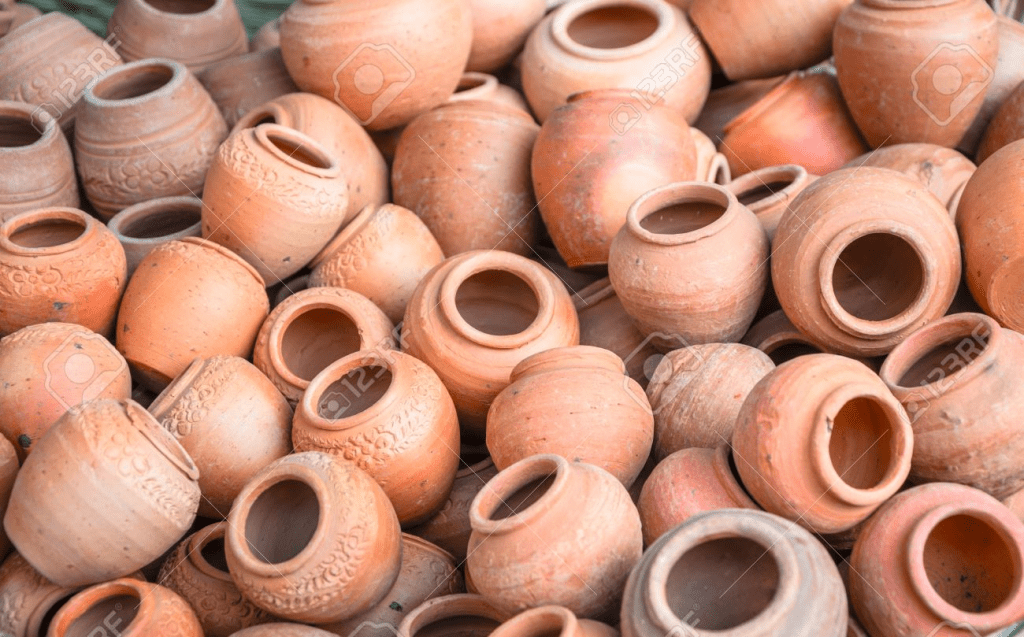
“Gently… gently,” the potter murmurs, as if speaking to the clay itself. My fingers follow his lead — a press here, a soft release there. The wheel spins, the clay rises, and slowly, a tiny pot takes shape. With a loop of string, I cut it free and hold it up, smiling with the quiet wonder of having made something from nothing. Not perfect, not polished — but unmistakably mine.

Creation is like that. You begin with something raw, unformed. You work on it, and with time, it becomes something meaningful.

Creation is in sowing seeds and watching them push through the soil.

In nurturing children as they grow into themselves.

In turning a handful of ingredients into a meal that warms the table.

In arranging a room until it feels like home.

In filling a blank page with words.

In knitting a scarf or painting a canvas.

In growing an idea into a thriving venture.

In building relationships.

In shaping our own dreams into reality.

In each act, something shifts from nothing yet to something now. And no matter how often it happens, it never stops being wondrous.

We humans are, at our core, makers — not just of things, but of possibilities. This is our greatest shared heritage: a restless, hopeful urge to create, improve, and leave behind more than we found.

And we have carried this impulse across millennia. From shaping clay pots to building cities. From planting seeds in the soil to sending seeds into space. From stringing beads into necklaces to stringing satellites across the sky. From inventing the wheel to developing code that will power superintelligence.

And the wonder isn’t in the pot, the meal, or the invention — it’s in us.

In Praise of the ‘Nod’

In Praise of the ‘Nod’

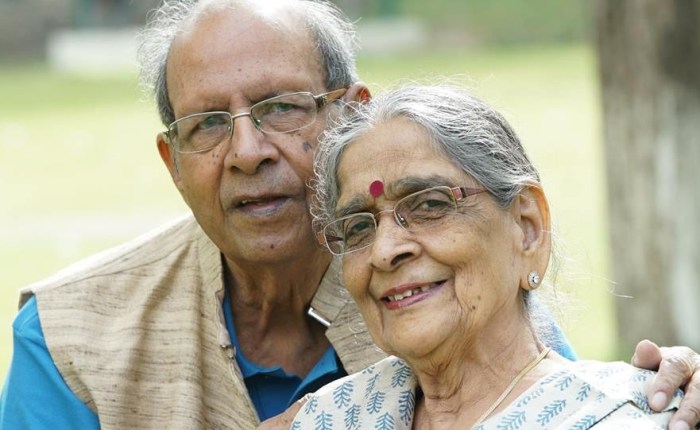
I am sure the universe knows exactly what it’s doing when it brings people together. It rarely pairs like with like. More often, it brings opposites into the same orbit — people different in a hundred small ways, who, somehow, make perfect sense side by side.

Take my husband and me.

I like to share. Everything.
What I did. What I didn’t.
Who I met, what they said, what they didn’t (but clearly meant).

The blog I’m writing.
The butcher who messed up my order. The stray dogs in the colony. The cook who staged yet another dramatic exit. The cousin whose cousin is now somewhat famous…

And him?

He’s a man of few words.
But many nods.

Let’s be clear — these aren’t the tender, attentive, “yes, my dear, I agree” kind of nods.
These are the absent-minded, default nods — dispensed while checking emails, reading the news, or scrolling through WhatsApp groups.

Over the years, we’ve settled into a rhythm.
I talk. He nods.
I throw up my hands in mock exasperation.
And then — eventually — he looks up. Fully present. Curious. As if hearing it all for the very first time.

*

It’s not perfect. And yet — there’s something oddly comforting in this dance of words and nods.

Because I understand where his mind is… It’s somewhere between a delayed shipment at customs, a lost pitch, the latest dip in stock prices… and a hundred other quiet battles he fights daily.

And still — his nods, even if distracted, tell me something.
That my words have landed.
Somewhere. Softly. In that busy, burdened, but deeply dependable heart.

It’s hard to explain. It’s not logical.
But in those simple nods, I hear this:

“I know you need to say it.”
“I know it matters to you, even if it doesn’t matter to the world.”
“I trust your instincts, even if I missed the details.”
“And I’ll always be here, nodding along — because I love how your mind works, even if I can’t always follow where it’s going.”

It’s his way of showing up — with a nod.
The smallest, quietest act of partnership.

(Though at times, he does surprise me. Like the time he suggested we holiday in Bruges — something I must have mentioned, sometime, somewhere. He had remembered. Even if I’d forgotten I had said it.)

*

So here we are. All these years later.

Me, still talking.
Him, still nodding.

A marriage where one partner needs to speak — and the other gently makes space for it. And in these little spaces between our words and nods, we’ve built something whole.

And honestly?
That’s more than enough.

Joy in my heart…

Joy in my heart…

My heart brims with joy as I fly down to my daughter’s home in Bangalore.

Joy in the happiness that will light up baby Arham’s face when he sees me.

Joy in our love as he wraps his thin arms around my neck in a tight hug.

Joy in his delight as I feed him small bites of chocolate pancakes.

Joy in our camaraderie as I sip my tea and he drinks his from a tiny cup.

Joy in the fun when we dig out dinosaurs and rocks from his sand pit.

Joy in his wonder as I act out the stories I’ve written for him.

Joy in my chats with Tanvi as we catch up on everything and nothing.

Joy in the conversations with Garvit as he explains the latest AI innovations to me.

And the deepest joy of all—witnessing the beautiful harmony of my daughter and her family.

In the footsteps of the Magi

In the footsteps of the Magi

We all remember O. Henry’s The Gift of the Magi.
A short story that lingers from years ago. A story in which a young couple, poor in money but rich in love, give up their most valued belongings to buy gifts for each other.

Jim sells his treasured gold pocket watch to buy combs for Della’s long hair.
Della sells her glorious long hair – to buy a chain for Jim’s gold watch.

And just like that, the gifts — so thoughtfully chosen — are rendered useless. But Jim and Della end up with something far greater… A seal on their love so tender. So pure. So perfect.

And O. Henry transforms the story into a universal lesson on love and wisdom with the lines:

Of all who give gifts, these two were the most wise.
Of all who give and receive gifts, such as they are the most wise.
Everywhere they are the wise ones. They are the Magi.

*

Somehow, I never really understood what O. Henry meant by the “Magi.” Maybe that’s because, as Indians, the idea of Magi isn’t part of our cultural inheritance — we don’t find them in our childhood stories or the epics.

But a few days ago, I stumbled upon a quiet reference to them… I learned that the Magi were the holy men of ancient Persia, guardians of sacred fire, seekers of stars, known for their wisdom, stillness, and spiritual vision.

In time, they found their way into Christian tradition as the “wise men from the East” who followed a star to offer gifts to a child born in silence and straw (Jesus). And in that moment, they came to represent something universal: the sacred art of giving — not for show, not out of duty, but from a place of deep love, reverence, and humility.

*

O. Henry, in his simple tale about Jim and Della, reimagines the Magi beautifully. He reminds us that the Magi were the first to give gifts — and that this young couple, foolish in their sacrifice and radiant in their love, had somehow become the wisest of the Magi.

Something stirred within me as I read the words and I thought: Maybe – just maybe – like Jim and Della, we all carry the spirit of the Magi within us? And perhaps it is simply waiting to be awakened?

Ater all, the wisest gifts aren’t the ones that sparkle. They’re the ones that say: I see you. I am here. They are the small, unshowy acts when we share ourselves – our time, our attention, our presence.

A quiet smile of acknowledgment.
A simple thank you that speaks louder than any wrapped gift.
A listening ear when someone has no one else to turn to.
A kind word that steadies someone just when they need it most.
A caring hand on the shoulder.
A quick phone call that says, Just checking in.
A soft reaching out to someone caught in a dilemma.

We don’t need material wealth to show up in someone’s world even when one barely has the time. Or to notice the unspoken ~ A sigh that lingers too long. A smile that doesn’t quite reach the eyes. Or when we meet someone, to ask about things that truly matter to them ~ what they’re dreaming of, what’s been weighing on their heart, or what brought them joy lately.

Because wisdom lives in the softer details ~ Letting someone go ahead of you in a queue when they look worn down by the day. Or giving someone the benefit of the doubt, especially when they’re not at their best.

Sometimes, the wisest gift can be not giving anything at all. When silence can be more healing than advice. It’s in knowing that the other person doesn’t need a solution, but just needs us to listen and understand.

These gestures don’t make headlines. They won’t earn likes or applause. But then, when we give from the heart, we make the deepest impact. And in the quietest way possible, become more whole.

And maybe that’s what the Magi knew all along…
That every one of us holds the power to give gifts that don’t dazzle but quietly glow in the hearts of those around us, long after the moment has passed.

*

I hope to begin my journey in the footsteps of the Magi — not someday, but now.
Not with grandeur, but with a softened gaze, a listening ear, a moment of presence.
And each night, before I sleep, I will ask myself: What did I give today that cost nothing, yet meant something?

Because in these quiet reckonings — in these unspoken gifts of the heart —
we become, in our own way, a little more wise.

A little more like the Magi.

The three wise men who followed the star to Bethleham

Dal to Deo: The Leftovers Life

Dal to Deo: The Leftovers Life

Ladies and Gentlemen, let it be known—I am a proud consumer of leftovers.

And no, I don’t just mean food (though yes, I’m absolutely the sort who’ll turn yesterday’s limp sprouts into a cheela, rescue last Diwali’s dates one a day like a ritual, and combine three almost empty namkeen packets into one glorious new mix).

But my leftovers loyalty runs deeper.
Into bathroom cabinets. Into cluttered drawers. Into those mysterious, half-forgotten corners of the wardrobe.
When something new enters the house, the family does their little dance—sniff, dabble, grimace… and promptly abandon. And that’s when I swoop in.

That barely used bottle of Korean snail slime serum languishing at the back of my daughter’s cupboard? Mine.
The lemongrass shampoo my husband tried once and declared “too fancy”? Also mine.
The ergonomically perfect phone dock my son instantly decided was “too much effort”? You guessed it. Mine.

I am, unofficially, the patron saint of bits and bobs most would call remnants.
Soap scraps? Lovingly stacked and pressed into a new bar.
Hotel shampoos? Decanted into anonymous family-size bottles. (My kids once asked me what brand the shampoo was. I said, “Limited Edition.” The eyeroll I got? Predictable. But worth it.)
Partially used deodorants? Stored upside down in a wire basket, ready for one last roll!

But my pièce de résistance? The humble toothpaste tube.
It’s a full-blown ritual.

First, it’s inverted overnight like it’s in penance.
Then comes the flattening. The rolling. The masterful squeezing.
If it plays hard to get, I run it under warm water.
Still stubborn? Out come the scissors. A quick snip. A full excavation.
Because not even a whisper of minty freshness escapes me. Not on my watch.

Lately, I’ve been eyeing this contraption on Instagram—an absurdly priced roller that promises to squeeze out every last bit from the tube with elegant efficiency.
Tempting? Of course.
But really, who needs it?

I am the contraption.
I am the Finisher-in-Chief. Not because anyone appointed me—but because I volunteered.

Because nothing—and I mean nothing—sparks joy in me quite like getting the most from the least.

There’s a smug, quiet thrill in watching the last bit of bodywash drip into the decanter.
In using the patchwork soap bar I made myself, which now looks oddly artisanal.
In admiring my fridge full of neatly stacked Tupperware, with stuff that has been repurposed and relabelled into something entirely new.

Little things, yes. But each one? A victory over waste.
A tender nod to the women before me who believed that nothing was ever too little to matter.

We grew up hearing things like:
A thing saved is a thing earned.
If you look after the paisa, the rupee will look after itself.
And my personal favorite:
Wastage begins in the kitchen, and from there, marches straight to moral decline.

Back then, it was just called ‘not wasting.’
Today, it’s rebranded as zero-waste. Sustainability. Conscious consumption.

But for me, this dal to deo life is more than a habit.
It’s heritage.
It’s therapy.
It’s love—expressed quietly through thrift, imagination, and care.

And you know what?

I kind of love it.

What’s with the Chicken Tikka Roll?!

What’s with the Chicken Tikka Roll?!

Akshay, my son, likes to take a chicken tikka roll to work. Not once in a while. Not as part of a rotating menu of varied choices. No, he eats one every single day, five days a week. Like it’s a job requirement. His colleagues don’t even ask what he’s having for lunch anymore. Instead, the running joke is, “Hey, Akshay! How was the roll?”

I know he likes chicken tikka rolls. Who doesn’t? But every single day?

In the beginning, I thought it was a phase… like the time his sister Tanvi insisted on bread-and-jam sandwiches for kindergarten. But no, this isn’t a passing fancy. Years have gone by. The world has survived Covid, multiple iPhone versions, political upheavals, and yet, Akshay is still unwrapping the same old chicken tikka roll, Monday through Friday.

Doesn’t he ever want a change? When I ask, he simply shrugs and says, “It’s easy.” 

And that, I have come to realize, is the whole point. Having the same lunch saves him from thinking about lunch. One decision less to make. No weird surprises. No disappointing experiments with “something new.” No regrets about overindulging in something fried or fabulous. Just one tiny thing he can control while Trump throws the world to the dogs, while the stock market crashes, while AI threatens to outthink us all. Maybe eating the same thing every day isn’t a failure of imagination but an act of quiet resilience. A way to carve out a small, steady island of certainty in a sea of chaos.

And I’ll admit—it makes my life easier too. In an Indian household, where food is sacred and the kitchen often feels like a full-time battleground, my son’s predictable palate is a gift. No endless deliberations about what to pack. Grocery shopping? A breeze. Meal prep? Streamlined. Just roll, wrap, and done.

Still, I have a feeling the reign of the chicken tikka roll may be coming to an end. Akshay’s new bride enjoys variety in her meals. She’s unlikely to make the same roll with the same precision, day after day, year after year.

Or maybe, just maybe, she too may come to appreciate the quiet genius of the chicken tikka roll?

Time will tell.

PS: Do you like to eat the same meal every day for days? Do share.

LOVE… What is Love, really?

LOVE… What is Love, really?

Valentine’s Day arrives, and love steps into the spotlight. Everything – yes, everything -from balloons and chocolates to cupcakes and even pizza, is suddenly heart-shaped. And for one full day (at least), love feels magical.

*

This year, like every year, Valentine’s Day left me grappling with the eternal question: What is love, really? Is it a sudden jolt, like lightning out of a clear sky, which leaves you breathless, dizzy, and utterly bewitched?

And then I wonder: Did I ever fall in love?

I’ve been married for 35 years to a man my parents introduced me to. Before I even saw him, I heard his voice – deep, confident, reassuring. Our first meeting was a blur of conversation; we talked nonstop, swapping stories, dreams, and laughter. One meeting became two, then three, families gathered, wedding plans took shape, and just like that, we were married. Decades later, here we are – still together, still devoted, still finding joy in everything we share (touchwood!).

Our children, though, “fell” in love in the classic sense, full of drama, excitement, and movie-type romance. When they describe love, it sounds like fireworks and magic – something grand and dizzying. And I can’t help wondering: What makes their love different from ours?

Sure, in our case, there was no chase, no drama, no stolen glances across crowded rooms. No love-struck confessions, no candlelit dinners, no carefully planned surprises or perfectly chosen gifts. But then, we dated with the quiet confidence of commitment. And like any young couple, we looked forward to being together, savoring every moment, counting down the days until marriage would seal our togetherness.

So maybe the real question isn’t What is love? but rather Why do we believe it only counts when it comes with fireworks?

*

After thinking it through for many, many years, I have come to the conclusion: It is not about falling in love – it is about being in love.

So what if our relationship began with mutual respect, appreciation, and commitment instead of a whirlwind romance? So what if it was a path of discovery, deepening over time through shared experiences? So what if it started with uncertainty and blossomed into something steady and enduring?

Arranged or not, love has a way of finding you. It sneaks up quietly, weaving itself through the fabric of everyday life – shared cups of tea at dawn, laughter over dinner, the chaos of raising children, and the resilience through life’s storms. It doesn’t arrive with grand gestures but settles in through small, unremarkable acts of kindness, patience, and unwavering warmth – until one day, you realize those ordinary moments are everything. Love isn’t just a feeling; it’s a sense of home – not in a place, but in a person. And it is in the years after marriage that love truly comes into its own, evolving into something deeper, something real.

For my husband and me, love has been a journey – one that, decades later, has brought us to a place where words are often unnecessary. It’s the quiet accumulation of a thousand little moments that, together, create something profound. It’s knowing each other’s quirks and embracing them, arguing without truly wounding, forgiving without keeping score.

It’s waking up every morning and instinctively reaching for his hand. It’s sharing inside jokes no one else would understand, reminiscing about past adventures while mapping out new ones, sitting through his favorite shows even when I can’t stand them. It’s reading in the same room in comfortable silence. It’s letting him have the last bite of dessert because I know he wants it but will still leave it for me.

In the end, it doesn’t matter how love begins—what matters is how it grows. It’s simply knowing, deep down, that life makes more sense with the other person in it.

*

So no, I didn’t fall in love in a grand, dramatic way – but love found me anyway, quietly and steadily, like sunlight creeping into a room, soft and unassuming, until one day I looked around and realized everything was glowing.

And after 35 years, that feels more romantic than anything else.

A Divine Wedding, An Eternal Debt

A Divine Wedding, An Eternal Debt

In India, marrying off a child is not just a milestone; it’s the mission of a lifetime. Parents begin anticipating this event the moment they hear their baby’s first cry. And when the time comes, they will do anything – beg, borrow or (metaphorically) steal – to make the wedding nothing short of legendary.

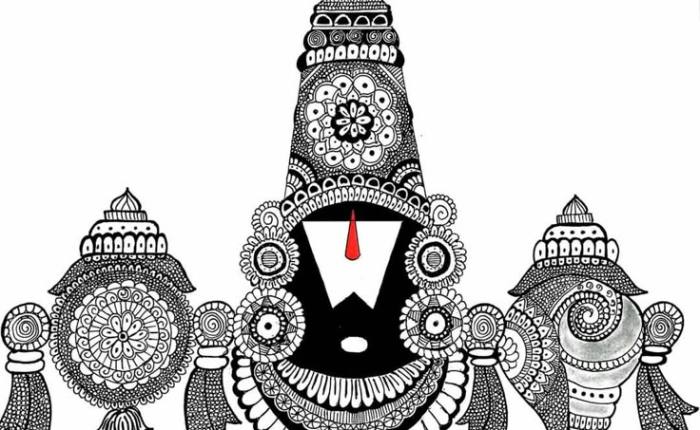
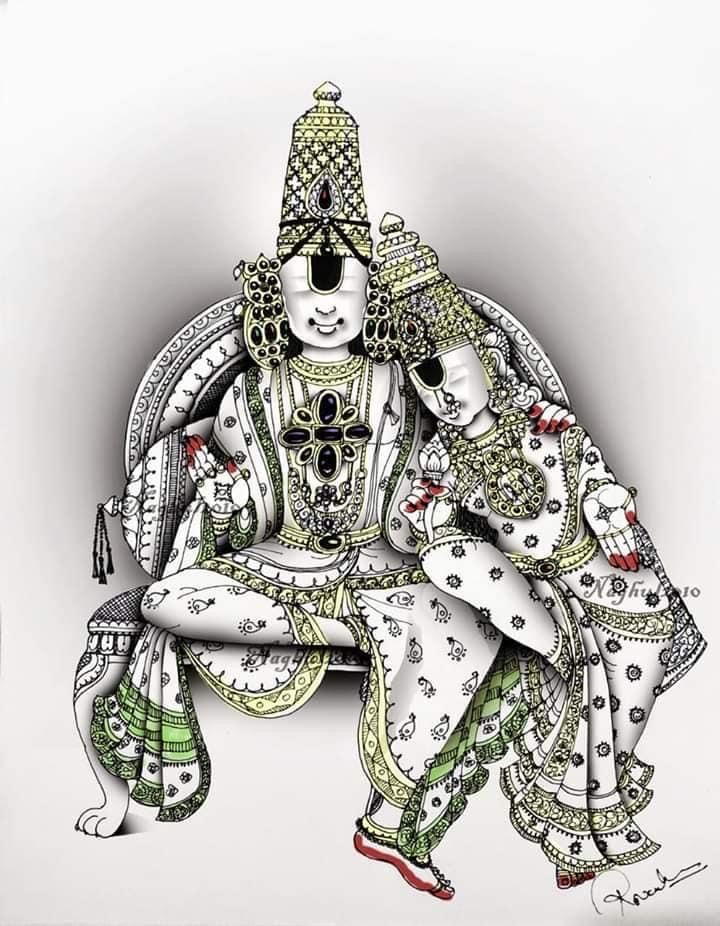
Even the gods are not spared. Take, for instance, the love story of Lord Venkateshvara and Padmavati which culminated in a wedding so grand, so sacred, that it continues to be celebrated every single day at the Tirupati temple in the Tirumala hills of Andhra Pradesh.

And guess what? The budget for this wedding was so extravagant that Lord Venkateshvara – the Preserver of the Universe – had to take a loan from Kuber, the treasurer of the Gods!

But how did this come about? I heard this fascinating tale on my recent trip to Tirupati…

*

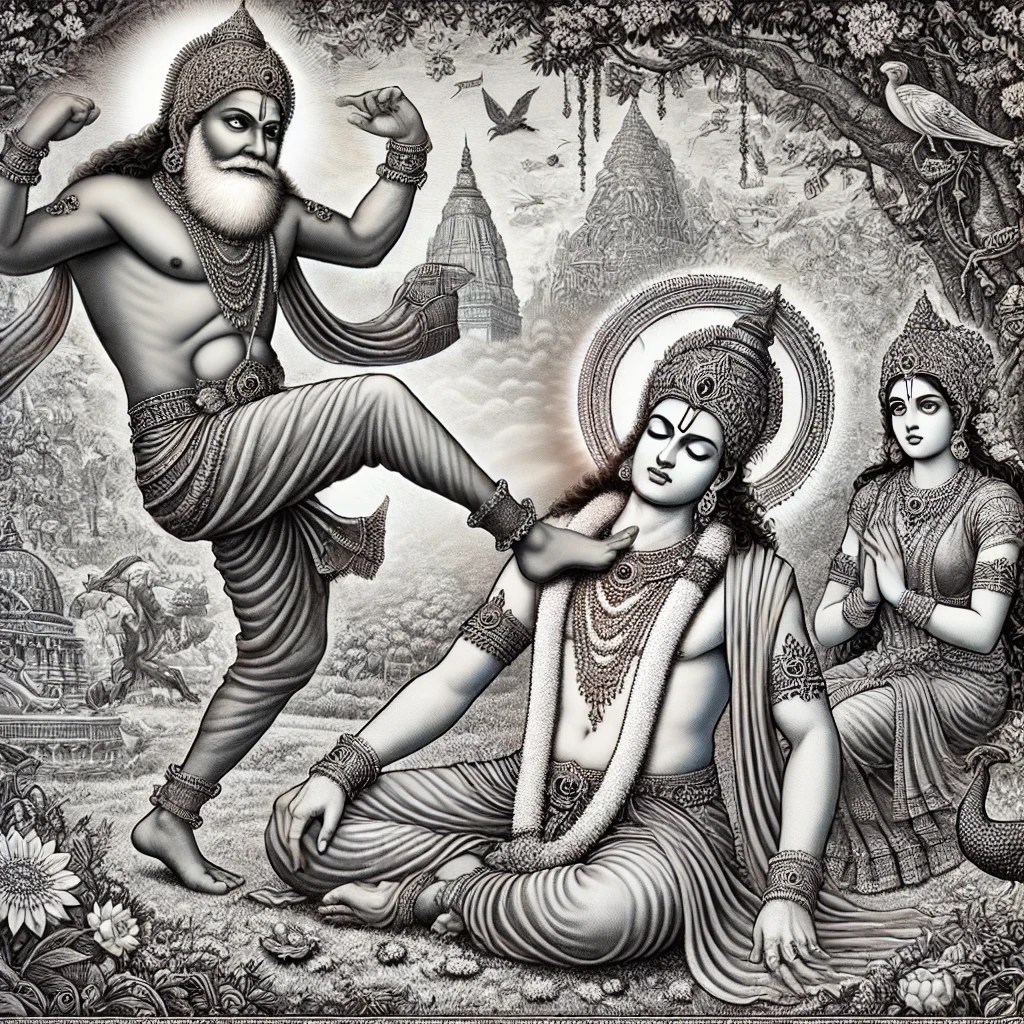
Long ago, in his celestial abode of Vaikunth, Lord Vishnu sat in deep meditation, completely immersed in his divine state. Which is why he failed to register the arrival of the great sage Bhrigu.

Now sages, though enlightened with immense wisdom, are known to have big egos and even bigger tempers. Angered by this perceived disregard, Bhrigu kicked Vishnu hard in the chest. In the very sacred space where Vishnu’s eternal consort, Goddess Lakshmi, resides.

The heavens gasped. The cosmos trembled. But Vishnu, ever the epitome of grace and tolerance, did not react in anger. Instead, he tenderly took the sage’s foot in his hands and massaged it, trying to sooth away any pain the kick may have caused.

Goddess Lakshmi watched – stunned, disbelieving. Her Lord, the mighty Preserver of the Universe, had just been insulted, and yet, instead of retaliating, he was showing concern for the very man who had dishonored her! The insult had not just landed on Vishnu’s chest; it had struck Lakshmi’s very essence.

Indignation – and sorrow – surged within her. If her honor meant so little to Vishnu, how could she remain in Vaikunth? Hurt to the core, Lakshmi left home. Heartbroken, she descended to Earth, vowing to undertake penance.

Without Lakshmi, Vaikunth was no longer home for Vishnu. Grief-stricken, he too followed her to Earth.

Thus began a timeless saga of love, separation, penance, and reunion—a tale that continues to captivate devotees even today.

*

On Earth, longing for his beloved, Vishnu wandered across mountains and rivers, through sacred forests and holy lands. His journey finally led him to the serene hills of Tirumala, where he sought refuge in an anthill beneath a tamarind tree. Days turned into weeks, weeks into months, as the Lord of the Universe waited, pining for his other half, living the life of a hermit.

In this state, he was known as Srinivas or ‘the one in whom Lakshmi resides.’ Concerned for Srinivas’s well-being, the gods arranged for Vakula Devi, a reincarnation of Yashoda (his foster mother from his Krishna avatar), to care for him.

*

But where was Lakshmi?

In the nearby kingdom of Narayanapuram. The king, Maharaja Akash Raj, had been ploughing a sacred field as part of a ritual when his plough unearthed a golden lotus. Nestled within its petals was an infant girl, glowing with divine brilliance. Being childless, the king and queen joyfully adopted her and named her Padmavati, meaning ‘one born of the lotus.’ The child was none other than Goddess Lakshmi, reborn on Earth.

Padmavati grew up to be a noble princess, unmatched in beauty, grace, and intelligence. Fate, however, had already scripted her reunion with Vishnu.

Years passed, and then, the inevitable happened. One day, Srinivas saw Padmavati playing with her friends in the forest. Mesmerized by her beauty, he fell in love instantly. Padmavati, too, felt an inexplicable connection with this mysterious yet familiar presence. However, her attendants mistook him for an intruder and drove him away. Disappointed but undeterred, Srinivas returned to his hermitage, longing for his beloved.

It was Sage Narada who revealed the truth – Padmavati was none other than Goddess Lakshmi herself. Encouraged by this divine revelation, Vakula Devi approached King Akash Raj and formally sought Padmavati’s hand in marriage on behalf of Srinivas.

When the king learned that Lord Vishnu himself wished to wed his daughter, he was overjoyed. Recognizing the sacredness of the match, he began preparations for a wedding unlike any other – a celebration truly worthy of the gods.

But grand weddings require grand wealth, and Srinivas, now a hermit, had none. To fund the wedding, Srinivas turned to Kuber, the treasurer of the gods, for a loan. Kuber, though initially hesitant, agreed under one condition—Vishnu must repay the debt in its entirety before returning to Vaikunth.

*

Thus, the celestial wedding of Srinivas and Padmavati took place with unmatched splendor. The earth rejoiced, the heavens showered flowers, and the mountains of Tirumala echoed with celestial music.

The divine couple were finally together, bound in the eternal bond of love.

Now, it was time for Vishnu and Lakshmi to return to Vaikunth. Yet, the divine debt remained unpaid. It was then that Vishnu assumed the sacred form of Lord Venkateshvara to stay behind in Tirumala, thus honoring his promise to Kuber.

To this day, Lord Venkateshvara stands in all his splendor atop the Tirumala hills, showering blessings upon those who seek his grace. Devotees continue to offer their prayers and contributions, believing they aid in repaying Vishnu’s eternal debt.

And who knows? Perhaps, one day, the celestial loan will finally be settled.

Until then, the legend endures…

I hear my body talk to me ~ A Surya Namaskar conversation

I hear my body talk to me ~ A Surya Namaskar conversation

“Finally.” My body remarks sarcastically as I unroll the yoga mat. “Thought you could ignore me forever?”

I sigh. The moment has come – a long overdue reckoning. Years of slouching, scrolling, and slothfully avoiding movement have left my body stiff, shriveled, and simmering with resentment. I pretend not to hear the sarcasm. Instead, I take a deep breath and mentally map out the steps of Surya Namaskar before getting going.

Breathing deeply, I fold my hands in the Prayer Pose. My palms press together, my feet ground into the floor, and I hear my body scoff, “Oh, we are doing this now?”

I inhale, arms rising toward the sky. My shoulders groan. “You’ve been folding inward like a human croissant for years. Unfold us!” The left actually creaks, like an old door hinge in a haunted house. But miraculously, it complies.

And then, the real reckoning begins.

As I exhale and bend forward, my body – after months of deep lethargy – stages a coup. Joints crack. Muscles protest. Hamstrings pull taut. My stomach squishes uncomfortably against my thighs and shrieks, “What fresh hell is this?!”

I reach for my toes, and my body responds with a mocking chuckle. Undeterred, I exhale, relax my upper body, and inch a little closer – until, at last, my fingertips graze my toes. Just as I savor the small victory, my body interrupts with a sharp command: “Next!”

I ease one leg back into Equestrian Pose. My hips—accustomed to sofa life—sulk. My thighs grumble. My fingertips press into the mat as the stretch claws its way up my legs. And my body prods smugly, “Keep going.”

Then comes Plank Pose. My arms shake under the weight of, well, me. My core mutters, half betrayed, half disappointed: “We used to be stronger.” I breathe through it, a silent apology forming in my mind. I’m here now. We’ll fix this. But my body, skeptical and unforgiving, is not buying it.

Though I am not prepared for what happens next.

As I lower myself into Eight-Limbed Pose, my hands betray me – I slip and crash face-first onto the mat. “See what you have done to yourself,” my body jeers. I stay there for a moment, winded, flushed, utterly humiliated. How did I let it get this bad? The question barely forms before my body delivers its smug response: “You know the answer.”

With quiet determination, I push myself back up into the Pose. This time, my body lets out a reluctant sigh. “You’re listening,” it admits grudgingly. “It’s about time.”

The Downward Dog is tough. My calves scream, elbows quiver, and my hamstrings are, I am sure, actively plotting revenge. But there’s something oddly satisfying in all of this. Especially when my body, finally relenting, concedes: “You’re working on me. That’s all I ask.”

As I go through the last few motions of Surya Namaskar, my body doesn’t feel as stiff or accusatory. Instead, it feels hopeful. “Do this regularly,” it says, softer now. “At least thrice a week. And I’ll reward you.”

Finally, back in Pranamasana, hands folded in gratitude, I hear it whisper one last time. “We’re in this together,” it says.

And for once, I listen.

Fully. Completely. With the attention it deserves.

And I know we’ll get there. Slowly. Surely. Together.

I, Me, Myself

I, Me, Myself

Who would have imagined that a week that began with a doctor – who, with the precision of a prosecutor, laid out all the terrible things I’d been doing to my body for decades – could end up being, of all things, rewarding? And yet somehow, after the tidal wave of alarm and self-recrimination had passed, it actually was.

A week of detox at a wellness retreat tucked deep inside the forest in the remote hills of Uttarakhand. Just me and my husband Atul, and seven whole days of hot massages, green juices, and well-meaning strangers reminding us to breathe deeply.

And I have to admit, I can’t quite figure out why we didn’t do this sooner. Really, I can’t. Was it because we were so busy with the usual business of life? Or was it because we’d always thought of holidays as time to see new places, buy shoes, and let the kids have fun? And honestly, wasn’t detox something for other people? You know, the ones with bad knees and high cholesterol? Or… maybe it was because we’d always dismissed these retreats as glorified getaways for people with too much money and not enough sense. Whatever the reason, we were wrong. About everything. Every last thing.

So, finally—after being married for thirty-five years, after raising and marrying off two children, and after spending hours debating and rejecting every possible winter vacation destination on the planet—we did it. And here we were. Finally.

*

The first thing we noticed was the Quiet. Yes, with a capital Q. The stillness of the dense lush forest seemed to seep into us. It was divine. Sacred. People spoke in hushed tones, their movements slow and deliberate, as if unwilling to disturb nature’s rhythm. It was like stepping into an alternate universe where silence wasn’t just the absence of sound but a presence in its own right. I couldn’t remember the last time I’d felt so utterly, completely at peace.

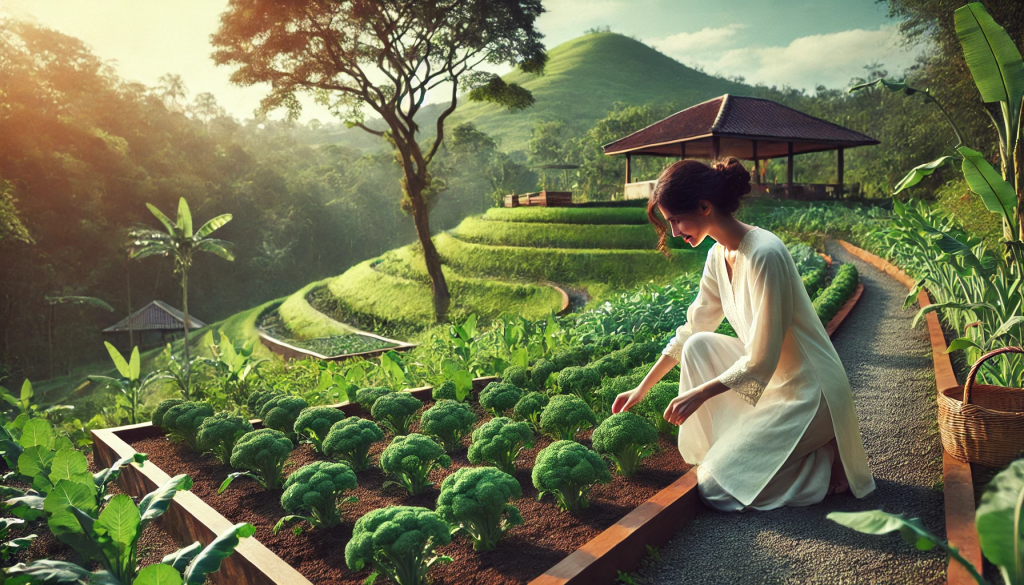
Life, for once, hit the pause button. And stayed there. The days stretched lazily before us: long walks down winding paths that seemed to go nowhere, indulgent massages that seemed to unlock every single knot of tension I’d been carrying since I could remember, and a menu of therapies that looked like something out of a dream journal. Yoga. Meditation. Gardening. And the pièce de résistance? Guilt-free sleep for long, unhurried hours. It was like living inside a self-help bestseller, except that I didn’t need to underline a single thing. By the second day, we were fully converted. Life, it seemed, was all about rest, renewal, and rejuvenation. And we had finally learned how to indulge in all three.

And then there was the food. Infuriatingly good food. Not the kind of good that makes you want seconds but the kind of good that makes you wonder why you haven’t been eating this way your entire life. Everything was fresh, filling, and annoyingly virtuous—salads so vibrant, broths so delicate, and desserts that tasted better than anything I’d ever eaten — despite containing absolutely no sugar. It wasn’t deprivation; it was discovery.

But here’s the thing—the real revelation wasn’t in the food or the deep breathing or even the quiet. It was the unloading of the stress. Stress we’d been hauling around, both of us, for so long we’d forgotten what it felt like to be rid of it. And somewhere between the Ayurvedic massages, the green smoothies, and the gentle meditation sessions, that stress began to dissolve. I knew it was gone when Atul burst out laughing when he was served rolled-up pineapple presented as stuffed cannoli dessert… and laughed and laughed, the belly-deep laugh I hadn’t heard from him in years. That’s when I knew we’d found the magic.

By the end of the week, I wasn’t just detoxed. I was transformed. Lighter, freer, calmer—and dare I say it, kinder to myself. Because sometimes, all you really need is the quiet of a forest, the space to breathe, and enough time to forget about the chaos around—and inside—of you. Perhaps most importantly, I learned to listen to my body, which had been screaming at me for years, and finally figured out what it had been trying to tell me all along.

Sometime during that week, I realized the sheer brilliance of putting myself first. Not in a narcissistic, self-absorbed way, but in a way that gives me permission to pause and think about what I, as an individual, want. My own desires. My own thoughts. My own well-being. It sounds so new, so revolutionary—and yet, somehow, it feels like the most obvious thing in the world. Like discovering a secret that had been sitting right there, quietly waiting for me to notice it. Which, of course, I did, while sipping herbal tea and wearing a white kurta-pyjama!

*

This coming New Year, I’ve made a resolution. It’s not about losing weight or achieving targets or tackling the endless to-do list. It’s about I, Me, Myself. Not in the selfish, “ignore the world” sense—but in the “finally take center stage in my own life” sense. And I can’t wait to see how much brighter everything looks from here.

My Mum’s ‘Singer’

My Mum’s ‘Singer’

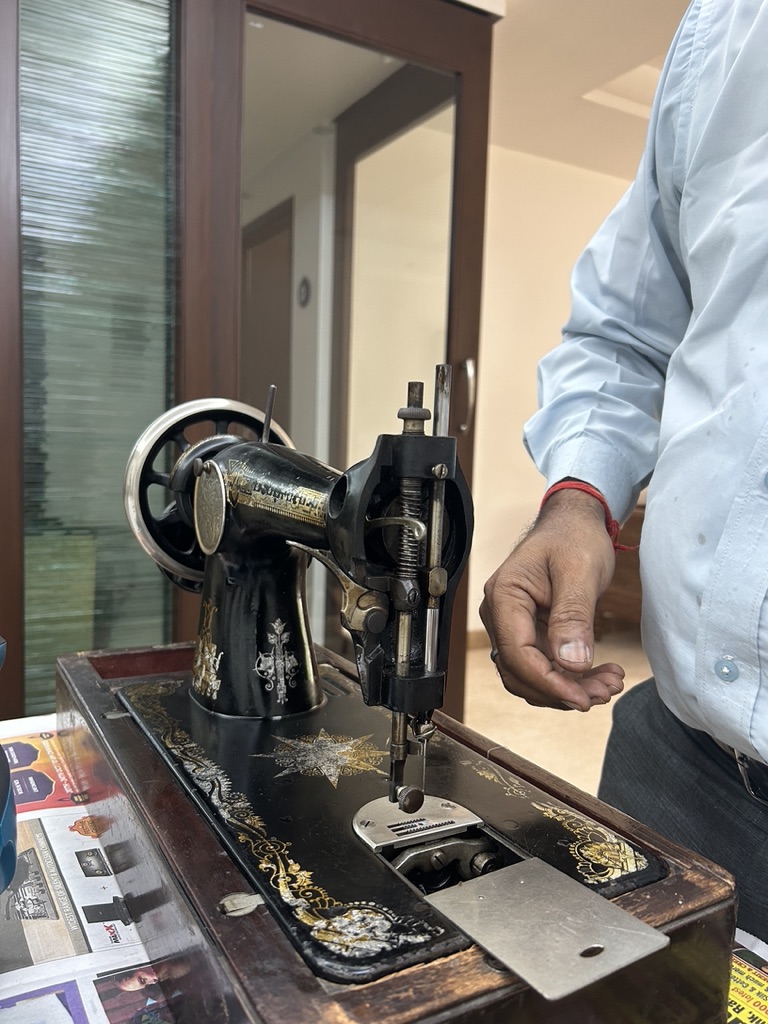
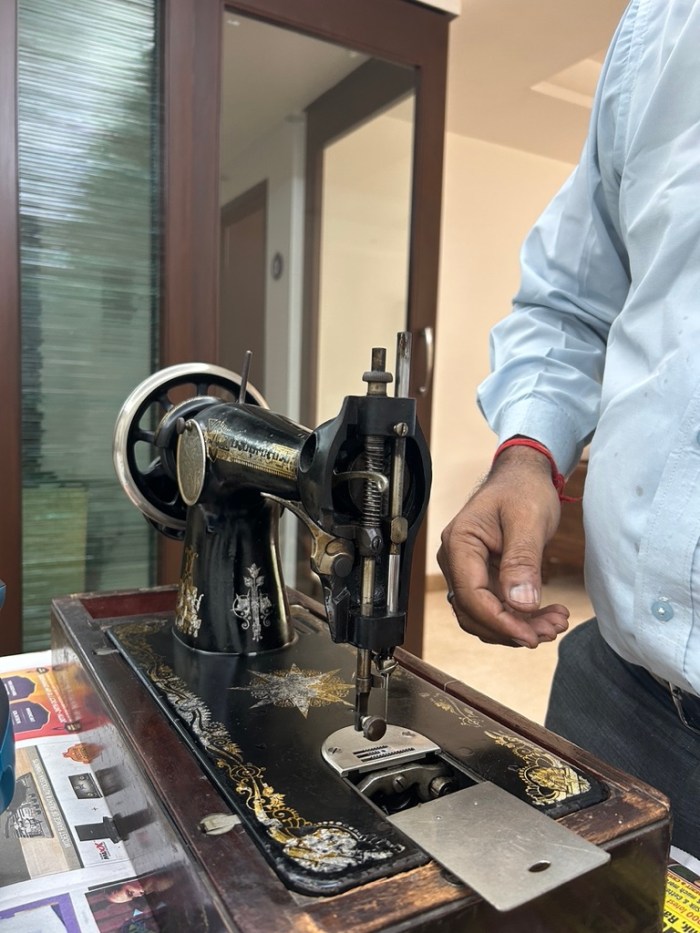
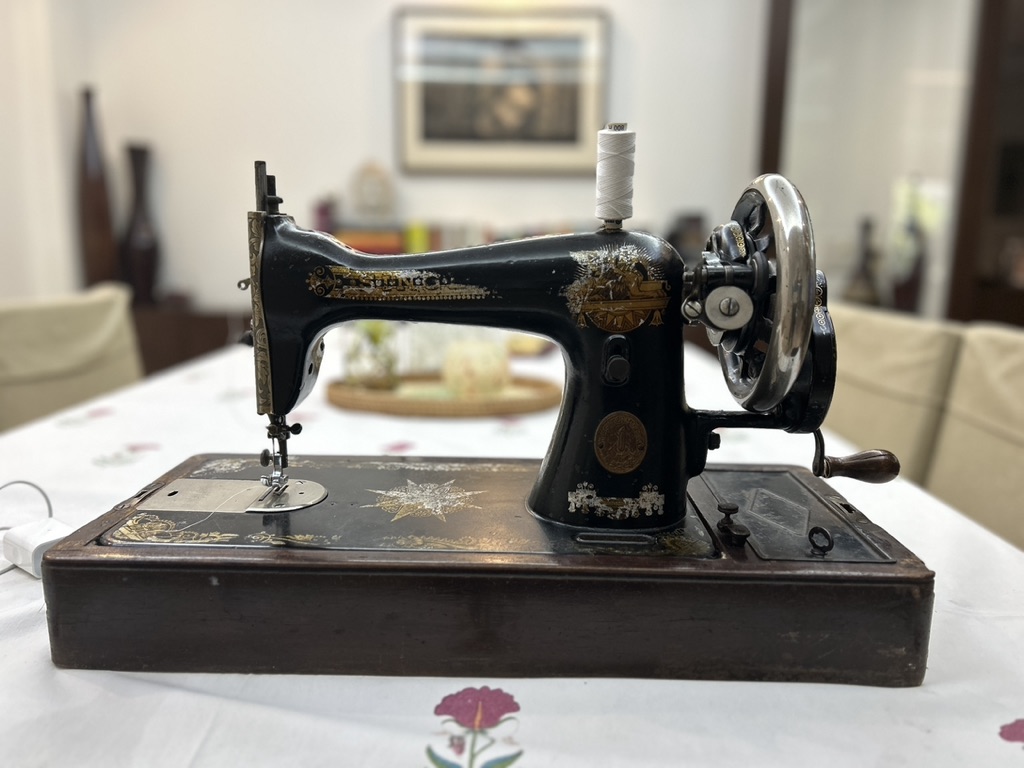
If I were to name one thing that I absolutely associate with my mum, it would be her ‘Singer’. Her beloved Singer sewing machine. The most poignant memory of  my childhood is her sewing away in the afternoons till it was time to cook dinner. And then, she would unhinge the handle, tuck the unfinished garment in the base, and pack the machine in its wooden cover.

It was from its compartment that toddler me had fished out a tailoring chalk and pushed it up my nose, watching her as she hunted around for it until she realized it was up my nostril! Another time, I did the same with a tich button which would not get pulled out and she had to rush me to the doc! After which she stopped storing her tailoring supplies in the machine’s compartment (and began keeping a sharp eye on me as I toddled around!)

The machine is as old as my mum. Her mum – my grandmum – bought it soon after my mother was born, an original Singer machine made in England. When my mum married, grandmum gifted the machine to her.

My mum would sew everything we needed ~ our clothes, school uniforms, curtains, cushion covers, blankets, even pants were made on the Singer. I remember my dad coming home from work and helping her cut fabric for my frocks from patterns in magazines. My favorite is the dress she fashioned out of my grandmother’s 50-year-old-real-zari lehenga for my eleventh birthday!

She even stitched the chenille quilts for my trousseau, frocks and a silk blanket for my daughter on her birth, and a tiny tiger-print velvet jacket for my son which was later worn by my grandson. All with her faithful Singer!   

When my mum moved in with me a couple of years ago, the Singer came along. Despite the (almost) nine decades it has seen, it shines bright, black paint intact, gold lettering faded a little here and there, wooden base and cover as good as new.

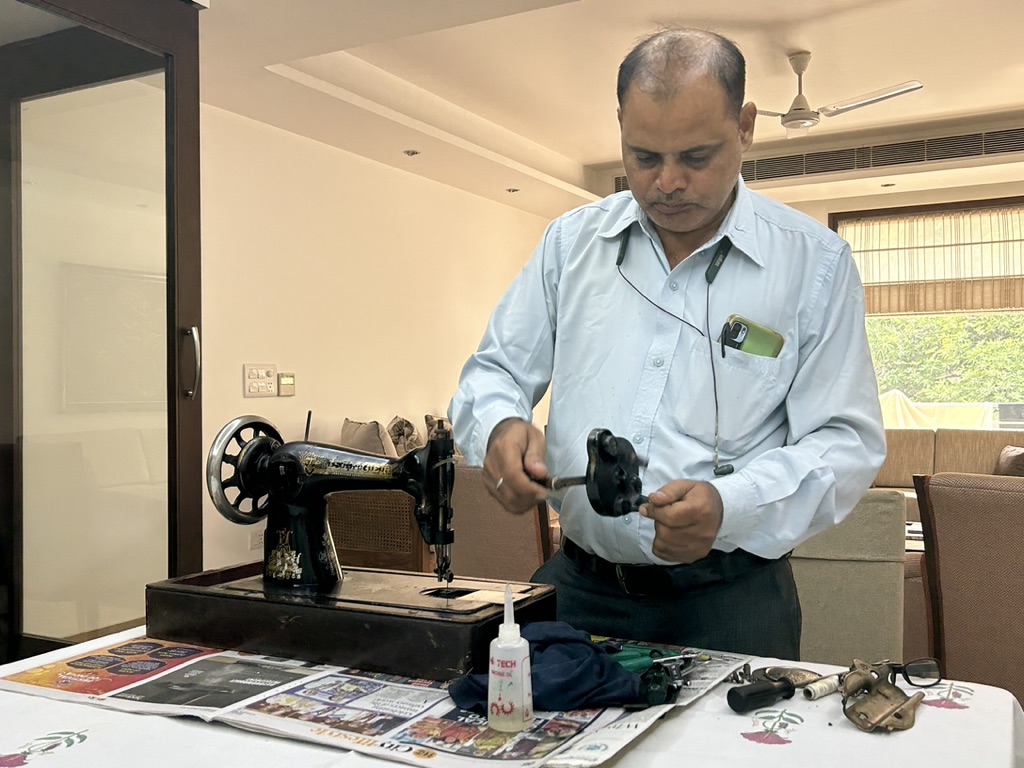
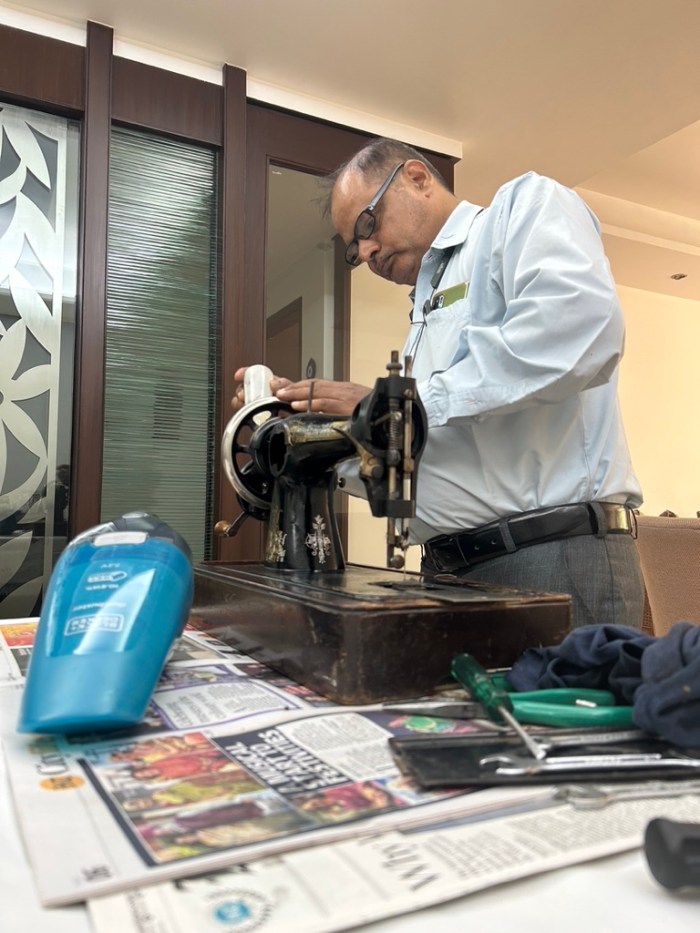
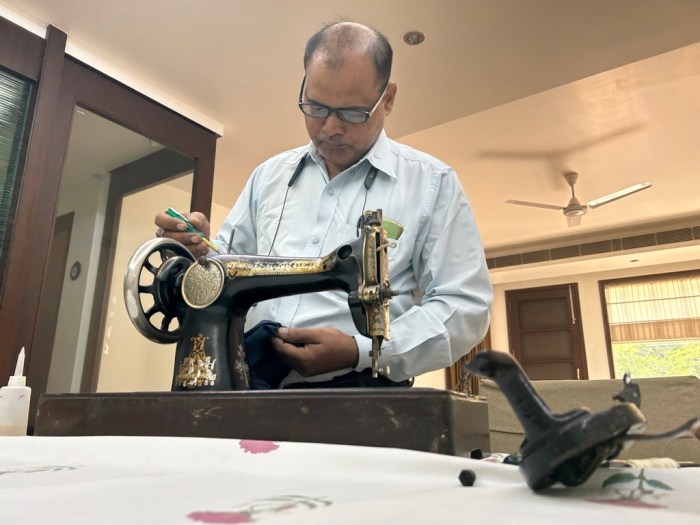
Till date, all our clothes are repaired on the Singer. Which is why life came to a standstill last week when threads from the reel and the bobbin would not interlock properly. And for the first time in nine decades, the ‘repairer’ needed repairing.

And as I watched the technician service the machine, brushing it, oiling it, adjusting it, I realized the extent of my emotional connect with the machine. It is an extension of my mum and all that she epitomizes. The three of us have been together from the day I was born! Perhaps this explains the amazing amount of contentment I felt when all was well in our ‘Singer’ world again!

PS: What are your mum’s beloved things? Do share.

Arham’s Monsters

Arham’s Monsters

A letter to my daughter

Dear Tanvi,

I love the 10-second videos you have been sending of baby Arham as he comes out of play school. We were all so apprehensive (and I am sure you and Garvit were too, perhaps even more than us) that you had enrolled him into a play school. Goodness, he is so young, all of eighteen months, was our first reaction. And he will cry and cry and not want to go at all, we were certain. And sure enough, he came out howling the first day of school. He cried more the next day, and even more the next… on the fourth, he was teary-eyed, and on the fifth, he smiled meekly at the young girl who escorts him out. Over the second week, we have watched with delight as Arham strides out the door, confident and happy.

And this is how it always is. The first time at school. You were the same. So was your brother. And I myself remember crying inconsolably as my mom walked out the door of my nursery school. This is an instinctive reaction to things never-seen-before, to situations not yet understood, to the monsters unknown… Who are these people? What is this place? Where are mom and dad? Why have they left me here? What will happen to me?

Slowly this newness gives way to familiarity… children soon realize that there is, after all, nothing to fear in these new surroundings ~ people here are quite all right, the boys and girls friendly, and the toys and games fun! Which is so evident now in the confident smile Arham beams up at you!

As Arham grows older, he will feel the same alarm, the same anxiety, the same agitation in every new situation he finds himself in… And he will always have two options. To step back, stay put, and avoid experiencing anything new. OR. To step forward, explore possibilities, and forge new paths for himself.

And this is where your role as a parent comes in. What you teach Arham, how you respond to situations, will model how he responds to anything and everything around him…

*

I love the way you let Arham saunter freely on the walk back from school, keeping close behind, as he picks up fallen fruit, examines stones, splashes through puddles, falls and picks himself up, points out tractors as they thunder past… If you were to keep cautioning him, you would curb this exploratory enthusiasm, you would rob him of all chances to grow. I like the way you let him venture forth, let him discover things, let him make his world bigger. I admire the way you curb your instinctive urge to protect him… and I am sure he will become a cheerful, confident individual in his own right.

*

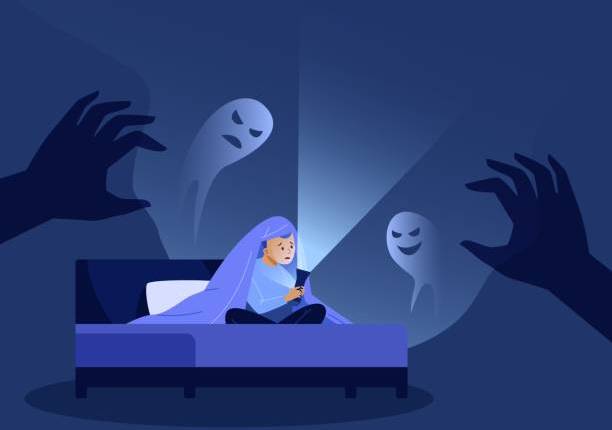
Children feel fear… it’s a normal part of their development. They are afraid of the dark, loud noises, going to the doctor, and all the ghosts and imaginary creatures created by their vivid imagination. These fears are transient and will no doubt fade over time, but no childhood fear is ever small. No monster any less real or terrifying.

Welcome him when he seeks refuge in your lap; trust me, your reassurance at this moment is crucial in rebuilding his confidence. Never dismiss his fears as childish or dumb or irrational. Encourage him to share his fears with you. His fears are to be respected, not ridiculed at. They are to be acknowledged, not overlooked. They are to be explained, not belittled.

When Arham fears something or someone, as you did every time our bearded-turbaned neighbor visited us, ask him: What are you afraid of? Why are you afraid? See: there is nothing to be afraid of… It was only when we made you tickle our neighbor’s black bushy beard were you able to let go your fear of him. And when he tickled you back, he became your friend.

Teach Arham to ask himself: Why am I afraid?

Because only when he understands his fear, can he reason with it, deal with it. And feel competent enough to conquer it.

*

At times, you may have to tamp down your own ingrained fears as he ventures forth… Do not let your fears become his fears. Do not show him your fears. Just like I do when I see him running into a flock of feeding pigeons… Arham’s joy as hundreds of pigeons scatter and fly away in a mad flutter of wings keeps me from giving in to my own phobia of feathered birds.

Do you remember the first time your brother Akshay, not yet 13, went off alone on his first wildlife photography trip with a group of strangers? We had learned about this expedition barely two days ago… and there we were, on a hot summer afternoon at Nizamuddin station, meeting the couple who ran the tour and fifteen amateur photographers at least thirty years old, all strangers. Akshay had a wait-listed ticket and the train kept getting delayed hour by hour until it was nightfall. Both your father and I felt misgivings stir in our minds during the long wait, our anxiousness increasing by the minute. What if Akshay’s seat in the train could not be confirmed? Wouldn’t Akshay be totally isolated among the much older strangers? What if he had a problem? What if he needed something? How would he cope in the unknown jungle for an entire week? But we kept our disquietude to ourselves. How could we rob Akshay of the quiet composure he had exhibited throughout the day?

Akshay did leave on the train that day. And came back brimming with stories about his new friends, his new adventures, his new passion. Over the next two years, Akshay went on more than thirty expeditions in India and Africa. And published a 172-page-coffee table book on wildlife at the age of 16!

What great injustice would we have done Akshay if we had held him back… it was an important lesson for us too… a reiteration of the learning that what cannot be seen needs to be explored, not retreated from, not shied away from. Because on the other side of uncertainty, lies possibility.

Swallowing our own monsters, we had let him leave on that train that day, let him take the risk. We had let him create his own safety simply by letting him do things on his own. And then celebrated his sense of pride at mastering something new independently. And over the years, watched as he grew into a confident young man, comfortable in all situations, at home and away.

*

As Arham grows older, he will encounter fear at every juncture of life… When he leaves home for college, takes on a challenging job, moves to a new city, settles down with a partner, has children… he will then need all the tools he has learned over the years to decode his fears, unravel them one by one, overcome them. Only then, will he be an independent human being, capable of living his life to the utmost.

And now is the time he needs to begin assembling his toolkit; over the years, he will add on more and more till he is – to use Michelle Obama’s expression – ‘comfortably afraid’ in dealing with situations in life. So that he will emerge, again and again, with the strong conviction: I CAN DO IT!

With lots of love to you and Arham,

Mamma

Hawa, hawa!

Hawa, hawa!

Why do we like what we like?

Because it strikes a chord deep within us…

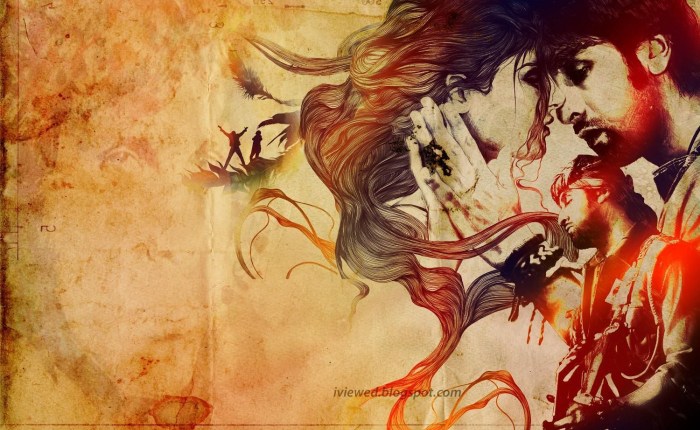
Perhaps this is why I have always loved the song “Hawa, hawa!” (Wind, wind!) from the film Rockstar ever since it released way back in 2011. The music, the lyrics, the setting, the shooting, the dancing… everything about the song is par excellence.

In case you are not familiar with the song, simply imagine: Picturesque plazas in Prague bustling with people. Vibrant music. A local troupe enacting an age-old fairytale. Young flamenco dancers turning and twirling. Drawn by the sounds, our protagonist, an aspiring musician from India, joins in with his guitar, and in his unique bohemian style, begins narrating the mysterious tale of an errant Queen who disappears at night and wears off twelve pairs of shoes every night! Soon the heroine in the film joins in in the merrymaking, and we are treated to a colorful gala amidst the timeless beauty of Prague!

The pure energy and youthful exuberance of the song are infectious. But it is the story in the song that appeals to me even more.

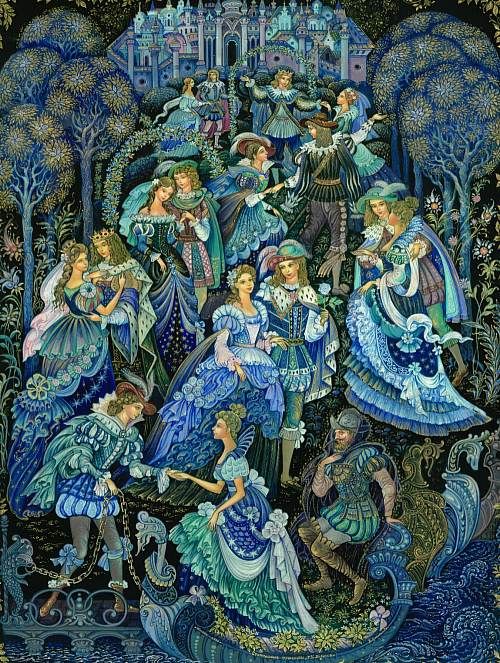
Adapted (and changed considerably) from the original German legend of ‘The Twelve Dancing Princesses’ compiled by Brothers Grimm, the song recounts the agonizing despair of a young Queen as she yearns to break free from a life stifled by societal norms and pleads with the King to take away all her riches in exchange of a carefree existence filled with joyous love.

Woven beautifully into the narrative of the film, the song befittingly conveys the emotional turmoil of the heroine who rebels against her loveless marriage and desires the tempestuous thrill of unbridled passion with her lover. The song refrain: Hawa, hawa! (Wind, wind!) is her cry for freedom.

*

Personally, trying to understand why this song resonates with me is part of my quest to find my Self and define my own unique purpose in life.

“Hawa, hawa!” is a call for me to delve into the depths of my inner Self and reflect on my values, my beliefs, my passions… so that I can wash away years of conditioning and discover the real Me.

Because unless I know myself, how can I flow freely like the Wind? Unless I embrace my true nature, how can I express myself fully? Unless I follow my own path, how can I experience true joy in life?

Well, what do YOU think?

PS:

Link to the song Hawa, hawa!: https://www.youtube.com/watch?v=xQryki2ZhYA

Link to the story The Twelve Dancing Princesses: https://www.eastoftheweb.com/short-stories/UBooks/TwelDanc.shtml

A moment captured.

A moment captured.

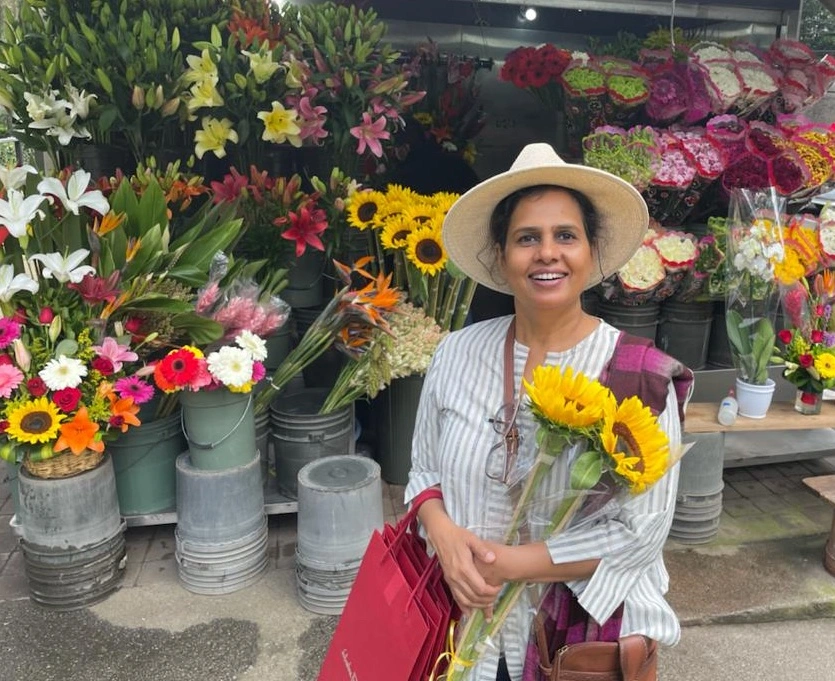
Yes, that’s me. Holding sunflowers. For the first time in my life. Though I fell in love with them decades ago…

I first saw sunflowers as a kid in a coffee table book we had at home… Van Gogh’s sunflowers were strangely alluring. I would see them in movies, magazines, and photographs… Yellow fields stretching into the horizon with sunflowers so big, so bright, so beautiful, their cheery heads bobbing in the breeze. And I would imagine myself walking among them…

Though I would actually get to hold them many years later when in Mexico City my husband Atul espied them at a florist and promptly bought me a few. And lovingly clicked a pic of me too!

And this is how you see me here with my sunflowers…

A wide smile on my face,

A warm glow in my heart,

A wonderful moment captured in time.

Isn’t it amazing how the smallest of things in life become our greatest joys?

PS: Another precious moment: A bouquet of sunflowers arrives from my children Tanvi, Garvit and Akshay on Mother’s Day today (13 May 2023). And I happily pose again!

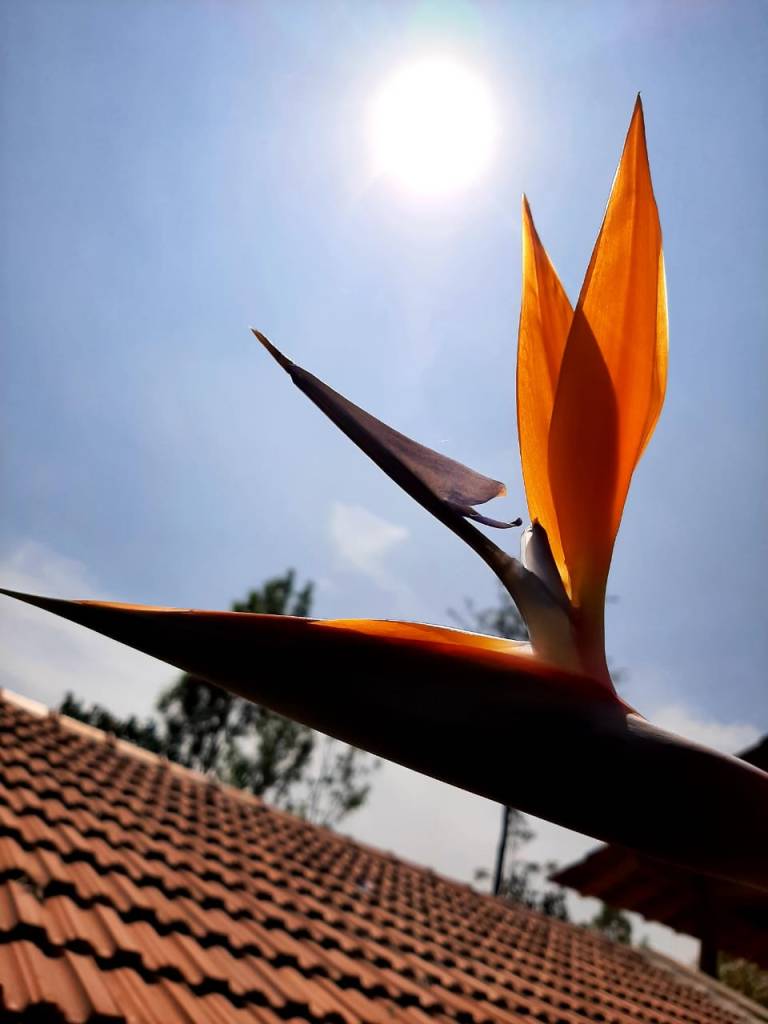
The bird of Paradise pauses…

Pic courtersy: Sandrine Denier

When my sister-in-law Sandrine sent me this beautiful photograph last year, it captivated me instantly. The bird of paradise is my favorite flower and this particular picture tugged at the strings of my heart… the young flower seemed to be saying something, seemed to be yearning, seemed to be ready… FOR WHAT?

After I wrote the first version of the poem, my thoughts stayed with the flower for a long time… its youthful energy and enthusiasm giving way to a sombre moment wherein it contemplates the course of its life…

I am a bird of paradise… anchored to the ground

My petals, deeply hued, like wings spread wide

I am ready to take off… into the bright open sky

In search of home… Paradise.

Where is it? How far is it?

The sun beckons, the clouds call out

The wind will lift me high

and take me deep into the endless sky

I can wait no more to look for Paradise.

And then, as I prepare to take off,

I pause and ponder:

What will I find in Paradise?

Love, joy, happiness and peace?

But… I have these all, right here with me

Whereupon I wonder:

Is my Paradise out there in the sky

Or am I leaving my Paradise behind?

A bird of paradise

Pic courtesy: Sandrine Denier

When my sister-in-law Sandrine sent me this beautiful photograph last year, it captivated me instantly. The bird of paradise is my favorite flower and this particular picture tugged at the strings of my heart… the flower seemed to be saying something, seemed to be yearning, seemed to be ready…

Perhaps this is what it is saying?

I am a bird of paradise… anchored to the ground

My petals, deeply hued, like wings spread wide

I am ready to take off… into the bright open sky

In search of home… Paradise.

Where is it? How far is it?

The wind will lift me high

and take me deep into the endless sky…

What shall I find? Whom shall I meet in Paradise?

The sun beckons, the clouds call out…

My heart is aflutter, my mind agog

I can wait no more!

I am off! I am off to find my Paradise!

The Woman BESIDE my Dad ~ MY MOM

The Woman BESIDE my Dad ~ MY MOM

When my dad Arvind shortlisted my mom Kusum from matrimonial ads in Hindustan Times, his primary consideration was her BA-LT degree. Which could get her a job as a teacher. Arvind being the sole breadwinner in a family of six, one more earning member would make all the difference.

And it did. The family’s circumstances improved considerably after my mom took up a teaching job in a government secondary school. A loan taken to buy land and build a house in Model Town was soon paid off, and my grandmother would go around proclaiming: I have one more son now!

And this is how it all began. My mom and my dad. At that time, Arvind could not even imagine the monumental and memorable role Kusum would go on to play in his life!

*

The biggest quality in my mom is her ability to view life with a “सब ठीक होगा” (everything will work out just fine) attitude. When I am worried, when I am in turmoil, a feeling of calm practicality pervades me because, thanks to my mom, I truly believe that things will be fine in the end.

Her immense sense of contentment is unheard of. Whatever be the circumstances, I have never heard her lamenting on ‘what could have been,’ never seen her demanding anything, never found her dissatisfied with life.

She is content within herself… never afraid to take on work, putting in her best, for whatever it takes, till whenever it takes.

*

Of her various roles, I think my mom Kusum’s role as a wife has been the most commendable. Walking with my dad, side by side, matching step by step. With unconditional support. And utmost commitment.

*

By the 1970s, Madhuri, the Hindi film magazine my dad Arvind launched for the Times’ group, had become a household name. Yet, he was haunted by a gnawing restlessness to do something more meaningful in life… And in a moment of epiphany one night in December 1973, he clearly saw his goal: To create a thesaurus in Hindi. A feat not attempted by anyone else in the world!

The next morning, during their walk in the Hanging Gardens, Arvind shared the thought of making a Hindi thesaurus with Kusum. For which he would have to give up his job and they would need to move back to the family home in Delhi, living on meager savings till the thesaurus could be published.

And Kusum agreed. Immediately. How many women would do this? How many women would agree to leaving behind a comfortable lifestyle in South Bombay and renounce a social life hobnobbing with film industry people? And trade it all for an existence of uncertainty, obscurity, and adjustment in a large joint family?

Kusum did. Readily. Willingly. Happily. Arvind’s ace ally.

From that very morning, Kusum cut down on household expenses saving every penny for the future; Arvind began work on the thesaurus along with his Madhuri job. And Kusum worked by his side. Over the next twenty years, Kusum would help Arvind build up the mammoth Samantar Kosh data, and then, single-handedly supervise its computerization over several months ~ every day, she would organize rows of cards scrawled with handwritten words to be fed into the computer, proof-read the computerized data, pick out errors, and then check the corrected data. Arvind’s perfect partner.

*

In a journey fraught with difficulties. Kusum faced every challenge, bore every calamity, rode every crisis, with unheard-of resoluteness.

When an unexpected devastating flood in Model Town swept away all their material belongings, Kusum did not grieve for all that was lost; both she and Arvind celebrated the fact that their future – their thesaurus cards – had been saved from the flood waters because they were safe on the mezzanine floor!

Fearing future floods, Arvind’s father sold off their house – the very house on the basis of which Arvind and Kusum had moved to Delhi! Refusing to let this major setback deter them, they used all their savings to purchase land in Chandra Nagar on Delhi-Ghaziabad border. Perforce, Arvind returned to journalism ~ to launch the Hindi edition of Reader’s Digest, Sarvottam. With hardly any money left, the new house was built using unorganized labor on a daily wage basis with Kusum supervising single-handedly, procuring materials, seeking permissions, making innumerable trips to Ghaziabad to procure the meager quota of 25 bags of cement and riding back in the truck alone… uncomplainingly. With zest and zeal. Arvind’s valiant warrior.

*

And my mom did all this while managing the house and bringing us up. Resources were limited but she never let us feel deprived. She took special care of my dad’s health after he suffered a massive heart attack in 1988. After his bypass surgery, keeping Arvind in good health became her mission. Arvind’s perennial protector.

*

And this is how it was. For 62 long years till the second wave of corona swept Arvind away from this world. Always. With him. Beside him.

A woman who made her husband’s dream her own, and became his endless source of energy, enthusiasm, and encouragement. His wife. His companion. His collaborator. His champion. Undoubtedly, a togetherness ordained by nature.

Kusum ~ Arvind’s soulmate.

If & Then, Only Then

If & Then, Only Then

Very often accused of not letting the other person complete his talk and of reacting hastily and dramatically, I am always trying to inculcate that rare quality of being a good, nay a great, listener.

And I came across this interesting article in Harvard Business Review, What Great Listeners Actually Do, by Jack Zenger and Joseph Folkman that throws new light on the topic. Contrary to what is believed, great listening is not being a sponge and absorbing what the other says; this research-based study suggests that an effective listener is like a trampoline, against whom you can bounce your ideas and who actively helps you look at things clearly and effectively. https://hbr.org/2016/07/what-great-listeners-actually-do

So, I penned down a note to myself on all I learned from this HBR article. The style of writing is inspired by Rudyard Kipling’s poem ‘If’.

If I be silent while you talk
If I sit nodding now and then, making an occasional ‘mmm…hmmm’
If I can repeat what you say
Then you will know I hear what you say.

If I be active in the You-Me interaction
If I question you, gently, in a constructive way
If I do so without judgment, trying to comprehend
Then you will know I am interested in what you say.

If I be attentive to what you say and also, what you don’t say
If I listen to you with my ears AND eyes
If I hear you out without offense or defense
Then you will know I am trying to help in what you say.

If I be supportive and keep the conversation flowing
If I make suggestions which challenge your assumptions
If I help you sort your thoughts and see things in new light
Then you will know I am truly listening to what you say.

*
And only when I remember to do all of this in every interaction I have: 
Then, only Then, will I be a great listener!

Shilalekh in Madhuri

A unique appreciation of Indian films

“I know less about films; so does my reader. So, I should tell them all that I would like to know about films,” reasoned my dad, Arvind Kumar, as he set out to launch Madhuri, a new film magazine in Hindi for the Times of India group way back in 1963.

*

Films are much more than stories enacted by actors. Yet, anything published about films, in those times as is the case today, focuses on the gloss and the glitter and the glamour of films and their stars. And of course, the gossip around stars. The vision, the intellect, the expertise, the dedication, the collaboration that goes into making a film – the quintessential art form – goes unnoticed, unappreciated, unrewarded.

Madhuri brought all this to the fore. Right from its very first issue that came out on 26 January 1964. Madhuri sought to educate its readers about each and every aspect of film making, about the people involved in its making – onscreen and off it. It taught its readers how to watch a film; what to look out for, what to appreciate…

*

I began reading Madhuri when i was about 10 years old. And my favorite part of  the magazine was Shilalekh, a unique feature that Arvind serialized for the magazine.

Shilalekh was a remarkable, never-before-tried format of film narration ~ an experiential description of the film, shot-by-shot, word-by-word, in graphic detail, with extensive commentary on the notable use of expressions, camera, music, songs, scene, setting, lighting, costumes as well as distinct style and techniques of direction. It made the reader understand the specific elements and techniques that contribute to the impact of a scene. Arvind ‘shilalekh’ed’ many great films ~ Mahal, Pyaasa, Aadmi, Baazi, Devdas, Dhool ka Phool and so many others.

Shilalekh made Madhuri one of the largest selling Hindi film magazines of its times, a record unmatched till date! Expectedly, the circulation fell when Arvind, by design, discontinued the feature in 1977; much before his planned departure from Madhuri in May 1978 ~ because he did not want the dip in circulation to reflect on his successor’s performance.

I hold Shilalekh especially close to my heart because I was witness to the entire process… I remember going with my dad Arvind to Pune to see these films at the Film Institute of India Archives; the yellow pads on which he would take copious notes; the Philips tape recorder he used to record the entire audio of the film; the bringing together of the recordings with his notes; the sessions at home where over a stretch of 2-3 days he would dictate the Shilalekh content to his typist; and my pride when at times, he would call me to check the finer details of a scene!

*

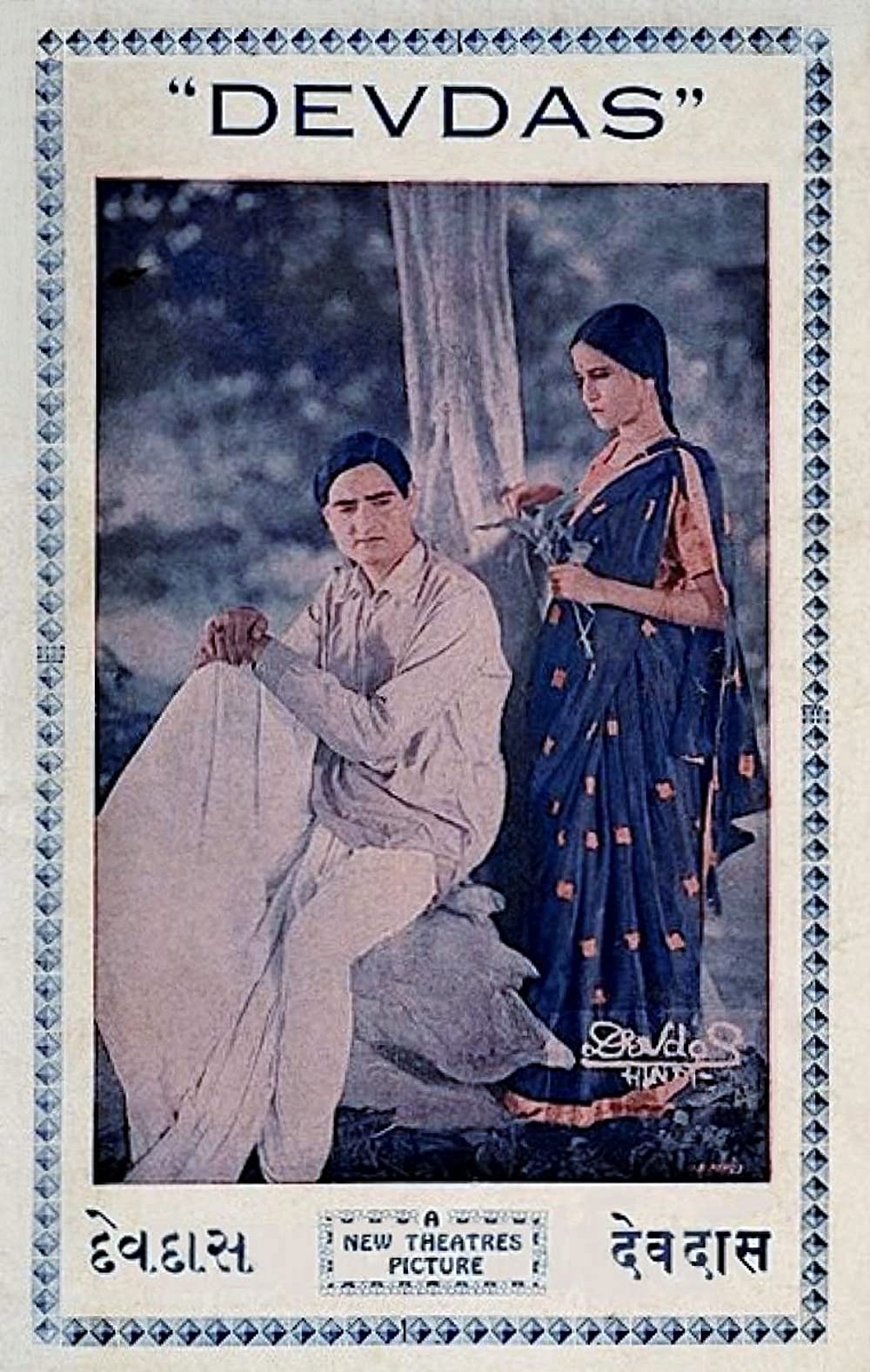
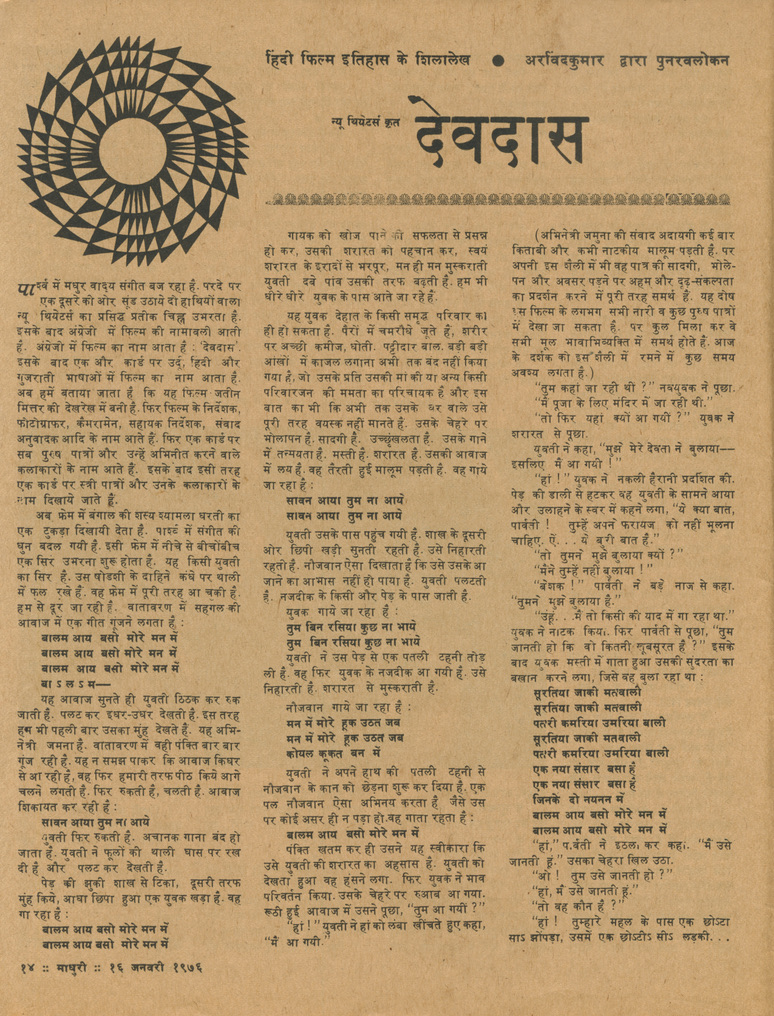
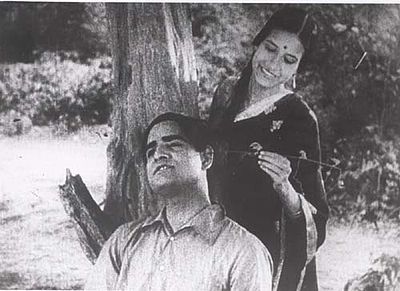
To give an idea, here is an excerpt from the Shilalekh of P C Barua’s Devdas (1935) in which K L Saigal played the lead role.

THE OPENING SCENE

–फ़्रेम मेँ बंगाल की शस्‍य श्‍यामल धरती का एक टुकड़ा दिखाई देता है. पार्श्‍व संगीत की धुन बदल गई है. इसी फ़्रेम मेँ नीचे बीचोँबीच किसी युवती का सिर है. केश की लट पीठ पर लटक रही है. उस के दाहिने कंधे पर थाली मेँ फूल रखे हैँ. वह फ़्रेम मेँ पूरी तरह दिखने लगती है, लगता है मंदिर जा रही है. वह हम से दूर जा रही है. वातावरण मेँ सहगल की आवाज़ मेँ गीत गूँजने लगता है:

बालम आय बसो मोरे मन मेँ

बालम आय बसो मोरे मन मेँ

बालम आय बसो मोरे मन मेँ

आवाज़ सुनते ही युवती ठिठकती है. पलट कर इधर उधर देखती है. इस तरह हम भी पहली बार उस का मुँह देखते हैँ. यह अभिनेत्री जमना है. वातावरण मेँ वही पंक्ति बार बार गूँज रही है. यह न समझ पा कर कि आवाज़ किधर से आ रही है, वह फिर हमारी तरफ़ पीठ किए आगे चलने लगती है. फिर रुकती है, चलती है. आवाज़ शिकायत कर रही है:

सावन आया तुम ना आए

युवती फिर रुकती है. अचानक गाना बंद हो जाता है. युवती ने फूलोँ की थाली घास पर रख दी है और पलट कर देखती है.

–पेड़ की झुकी शाख से टिका, दूसरी तरफ़ मुँह किए, आधा छिपा एक युवक खड़ा गा रहा है:

बालमय बसो मोरे मन मेँ

बालम आय बसो मोरे मन मेँ

गायक को खोज पाने की सफलता से प्रसन्‍न हो कर, उस की शरारत को पहचान कर, स्‍वयं शरारत के इरादोँ से भरपूर, मन ही मन मुस्‍कराती युवती दबे पाँव उस की तरफ़ बढ़ती है. हम भी धीरे धीरे युवक के पास आते जा रहे हैँ.

युवती ने पेड़ से पतली टहनी तोड़ ली है. वह फिर युवक के नज़दीक आ गई है. उसे निहारती है. शरारत से मुस्‍कराती है. नौजवान गाए जा रहा है. युवती ने टहनी से नौजवान के कान को छेड़ना शुरू कर दिया है. एक पल नौजवान ऐसा अभिनय करता है जैसे उस पर कोई असर ही न पड़ा हो. वह गाता रहता है…

बालम आय बसो मोरे मन मेँ

The Day we became a TEAM!

The Day we became a TEAM!

I could hardly wait for my last exam of class VI to get over… I was so excited. Tomorrow, we – my mom, my dad and my brother Sumeet – would leave for Nasik for two whole months! What fun! Papa would be starting a book, a thesaurus, whatever, I didn’t understand much. We children would have a lovely time living in the Times of India’s bungalow there – cycling, playing badminton, eating, and sleeping in huge four poster beds!

*

Early one morning in Nasik, the four of us made our way to the Godavari river. I slipped my hand into my mom’s as we waded in… For a long moment, the four of us stood there, looking out at the river stretching before us till it seemed to meet the rising sun in the distance… our hearts filling with its warm glow.

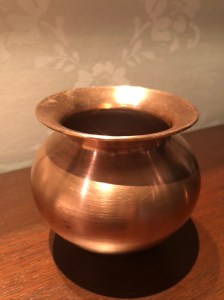
Later, we bought a copper urn (lota) and had the date engraved on its rim – 19 April 1976. Returning to the bungalow, papa wrote the first card of the thesaurus (then titled Shabdeshwari) and all four of us signed on it, date and all.

As papa would remark many many years later, “On that day, we became a team!”

Though I would appreciate the true significance of that day only twenty years later on 13 December 1996 when my parents – Arvind and Kusum – presented the first copy of the first-ever thesaurus in Hindi or for that matter, ANY modern Indian language, now renamed Samantar Kosh, to the erstwhile President of India, Dr Shankar Dayal Sharma at the Rashtrapati Bhawan!

*

Who would have thought that day on the banks of the Godavari that papa would dedicate his entire life to Hindi, overcoming hurdles, physical, financial and personal, in his unabashed pursuit of a dream?

That my mom would prove to be the ultimate partner in life and support my dad unconditionally through thick and thin.

That my brother Sumeet would be instrumental in realizing papa’s dream. That he would organize funds for a computer, and despite being a surgeon, learn programming himself to create software for the database, and then teach papa how to work on it.

That from a little girl who only understood that her father was working on a ‘book,’ I would take it upon myself to take his work to the people.

YES. We did become a team on that fateful day in Nasik. It is now 25 years since the release of Samantar Kosh in 1996. And the glow in my heart remains as warm as ever.

From Ideas to WORDS

From Ideas to WORDS

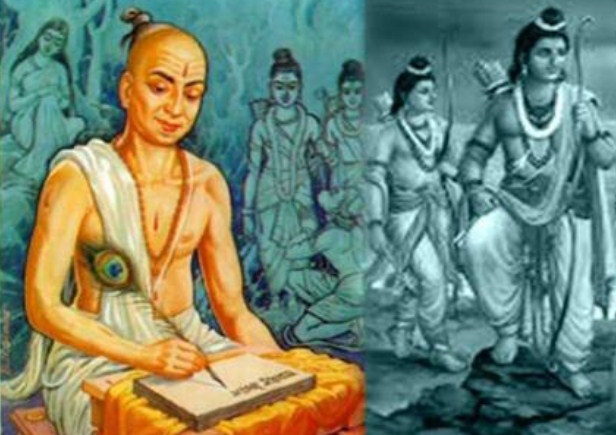
Once, while composing Ramcharitmanas, the great poet Tulsidasji found himself in a strange quandary. He just could not find words to describe Ram’s beauty… Frustrated, he expressed his dilemma thus:

स्याम गौर किमि कहौं बखानी,
गिरा अनयन - नयन बिनु बानी.
How do I describe the dark beauty (of Lord Ram)?
The tongue does not have eyes - the eyes cannot speak.

To most of us, language comes naturally; yet we all have, at some time or the other, been in the same predicament as Tulsidasji. We know what we want to say but just as we reach for the word, it’s not there. And it continues to stay just out of reach, eluding us, tantalizing us.

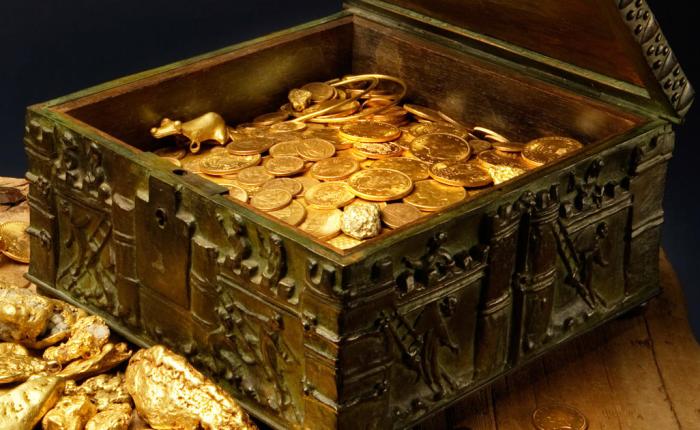
It is then that we need a THESAURUS. Which literally means a TREASURY. A treasury of words and expressions that help us express our abstract thoughts, ideas and feelings ~ clearly, correctly, completely. Even an extensive dictionary cannot help us here. But a thesaurus can ~ because the thesaurus lists words thematically, as per their theme or concept.

Suppose you are, “Uhhhhh… what’s it called… that tiny Japanese tree, like a dwarf?”  Simply looking up the cue words ‘tree’ or ‘dwarf’ or even ‘plant’ will lead you to your target: BONSAI!

If you know the word but it does not express your thought precisely, then a thesaurus gives dozens of synonyms as well as related concepts AND opposite contexts. For instance, the other day when I could not express the concept of ‘no worry,’ I looked up ‘worry’ and came up with ‘worrylessness,’ ‘carefreeness,’ ‘insouciance’ and many others!

THE IDEA IS IN OUR MIND. THE THESAURUS PROVIDES THE WORD.

16th century AD poet Tulsidas composing the Ramcharitmanas, an epic poem on the life of Ram of the Ramayana fame.  

Our world of WORDS

Our world of WORDS

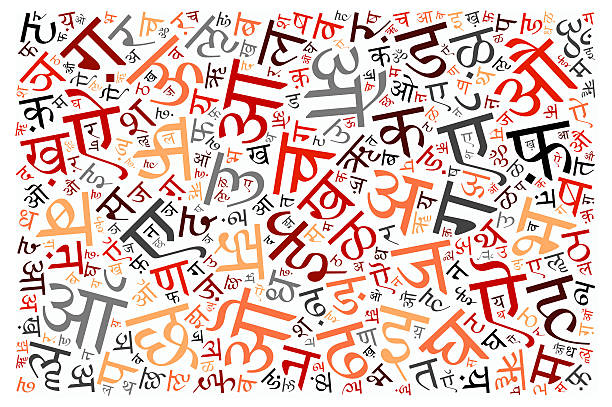
Language makes us human. When our ancestors invented language more than fifty thousand years ago, they forever sealed our fate on earth. They set mankind on a path of constant growth and development making us the most powerful species on earth.

Indeed. The power of words is extraordinary.

Words can inspire, words can demoralize.
Words can strengthen, words can damage.
Words can nurture, words can destroy.
Words can cheere, words can condemn.
Words can win peace, words can make wars.

As screenwriter-lyricist Divy Nidhi Sharma aptly writes:

शब्द हैं… अतरंगी, कुछ सतरंगी से… 
शब्द हैं... गुनगुनाते गीत गाते 
कुछ मस्त हैं, कुछ त्रस्त हैं, होठों पे करते गश्त हैं...
कुछ झूठ हैं, कुछ सत्य हैं, जादू भरे ये शब्द हैं!

Words are... many colored, some with the seven hues of the rainbow
Words are... humming, singing
Some merry, some distressed... swaying on the lips
Some false, some true... Words are full of MAGIC!

She then goes on to say…

जन्म से लेकर मरण तलक
सब खेल-तमाशा शब्द हैं! 
From birth until death
Life is a theater of WORDS!

Isn’t it?

Life is a story, Arham

Life is a story, Arham

Dear Arham,

What will be the first word you say, I wonder? Your mom’s first word was ‘Dadda’ and his happiness shot through the roof that day!

But there’s still some time for all that. For now, you love to listen your mom’s voice as she feeds you, soothes you, cares for you. I remember how attentively you, just four days old, listened to the story of the very hungry caterpillar as he chomped his way through pears and plums and pies. Of course, you didn’t understand a bit but the sounds were getting engraved in your mind.

You will be fascinated by other tales your mom tells you. You will love the three little pigs and their escapades; you will be enthralled by Jack and his magic beanstalk; you will listen wide-eyed when the big brown bear becomes a prince in golden armor!

For the moment, your own imitation games are on! You try to imitate everyone you see and everything you hear. And soon you will begin to use the same expressions and gestures when you play with your toys and cars and blocks, and as you grow older, invent characters and events and tales!

And you know what? This story making continues all our life. It is not just you little ones who make up stories. We adults spin stories too and these stories help us make sense of the world around us. Two people live together within the bond of marriage, hundreds of men and women work in a company, thousands of people commit themselves to a country, millions believe in a common God… all these bonds and relationships are stories ~ figments of our imagination, myths we tell ourselves to remain rooted in life.

And language has helped us pass these commonly believed stories from one generation to the next for tens of thousands of years. Indeed, it is storytelling that has kept us human and made us the most powerful race on earth.

Arham, this incredible journey of life – and yours has just begun – is nothing but a story.